Stop Losing Leads to Your Competitors’ Sales Tools

Turn Leads Into Motivated Buyers Software
Turn leads into motivated buyers software closes the gap between curiosity and commitment. Your sales team wastes hours chasing cold prospects who never convert. The software identifies which leads show real buying signals, then automates outreach at exactly the right moment. When you match timing with intent, everything changes.
How Turn leads into motivated buyers software separates real intent from noise
Every click tells a story. The software tracks website visits, email opens, and content downloads in real time. AI algorithms prioritize leads based on their likelihood to convert using machine learning to predict which leads are most likely to convert. Someone who visits your pricing page three times in a week scores higher than someone who bounced after five seconds.
Traditional scoring assigns random point values. This approach fails because it treats all actions equally. The software uses fit and engagement data points from the customer journey to analyze and score each lead. A CEO downloading a case study carries more weight than an intern opening an email.
The best platforms layer multiple data types. They capture four signal types: visitor intent, research intent, company news, and contact-level signals. When a target account hires a new VP of Sales, the software flags it immediately. That hiring signal often precedes a budget unlock.
Score decay prevents zombie leads from clogging your pipeline. Leads that are inactive for a while have their scores decreased, providing your team with an up-to-date view of all leads. Last year’s trade show contact shouldn’t rank above this week’s demo request.
Automated workflows turn high-scoring leads into sales conversations
Scoring means nothing without action. High-scoring leads should trigger immediate action, and the platform should automate the handoff from marketing to sales through effective lead routing. The moment a lead crosses your threshold, the system assigns them to the right rep.
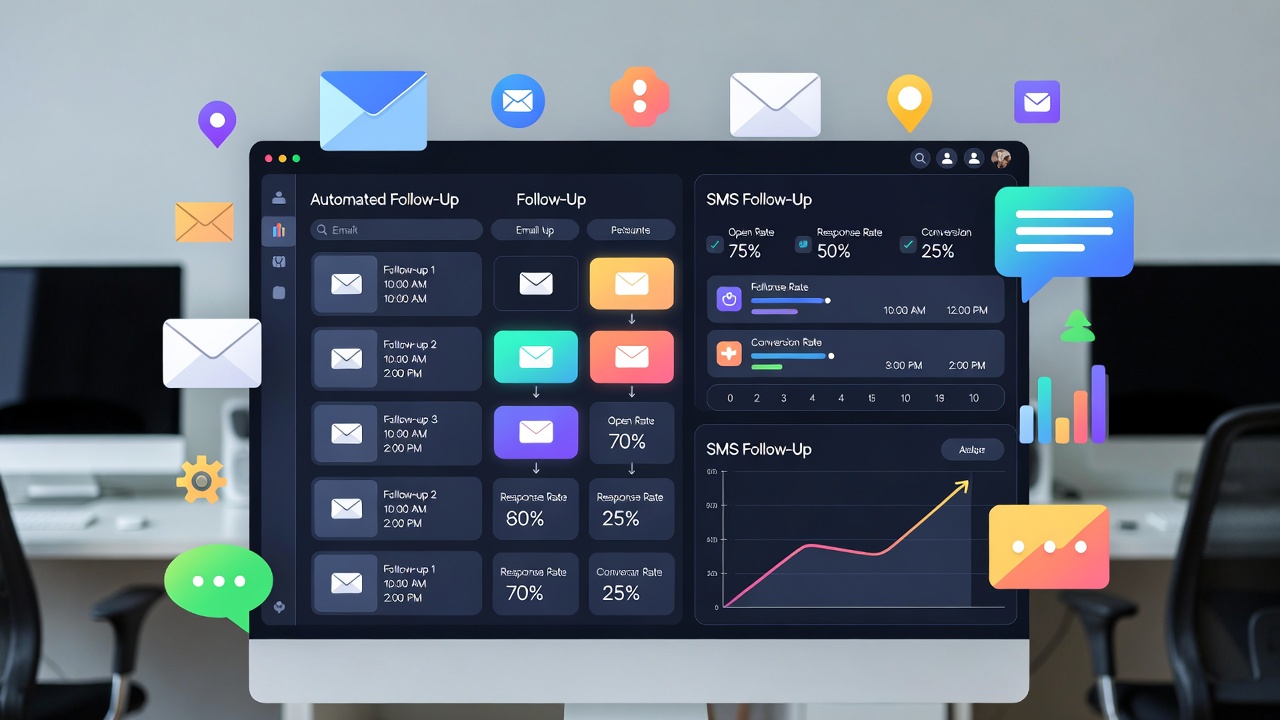
Timing kills more deals than bad pricing. AI predicts the optimal time to send emails for higher engagement. Reaching out Tuesday at 10am versus Friday at 4pm can double your reply rate. The software learns these patterns from your actual conversion data.
Personalization at scale sounds impossible. Behavior-based automation analyzes lead behavior to automate personalized interactions. If someone spent five minutes reading your integration documentation, the follow-up email mentions integration support. The prospect thinks you’re paying attention because you are.
Multi-channel sequences keep leads warm. Email alone doesn’t cut it anymore. Effective nurturing strategies combine email, LinkedIn, phone calls, and retargeting ads. Businesses recognize the importance of engaging leads across multiple touchpoints to build trust and deliver consistent messaging.
What separates Turn leads into motivated buyers software from basic CRM tools
Your CRM stores data. This software makes decisions. The software automatically scores leads and personalizes communication, so your team always knows which deals are hot. Reps stop guessing and start closing.
First-party data beats third-party signals every time. When companies visit your profile, compare you against competitors, or research your pricing, the software captures those signals. Someone actively comparing you to alternatives is closer to buying than someone who read a blog post six months ago.
Intent data works differently than engagement tracking. Buying intent signals show when a prospect transitions from casually browsing to actively considering a purchase. Researching “best CRM for real estate” shows interest. Searching “CRM implementation timeline” shows buying intent.
Integration determines whether the software actually gets used. Lead scores are presented where sales lives, in the CRM, and integrate with all major CRM providers to pass lead score information and provide profile widgets. If reps need to switch platforms, they won’t check scores.
Predictive scoring reveals which leads will actually close
Historical data trains the model. The platform analyzes thousands of data points across your contact base using machine learning. It finds patterns humans miss. Maybe leads from certain industries convert at three times the average rate.
Fit scores answer a different question than engagement scores. Quality scores evaluate how well a lead matches your ideal customer profile, while engagement scores track behavioral signals like form submissions and email responses. A highly engaged lead from the wrong industry wastes time. A perfect-fit lead with low engagement needs different messaging.
Combined scoring solves the puzzle. These scores populate a combined value that looks at both actions and demographic information, as well as individual engagement and fit scores. Someone who matches your ICP and visited your pricing page twice this week goes to the top.
Account-level scoring matters for enterprise deals. The software aggregates intent signals across the entire account, including third-party research activity, website visits, and content consumption. One executive researching solutions might represent a six-figure deal.
Real-time Turn leads into motivated buyers software prevents revenue leakage
Speed beats perfection in sales. 70% of leads go uncontacted within 24 hours, causing significant revenue leakage in your sales pipeline. Lead response time directly impacts conversion rates—studies show that contacting leads within the first hour increases conversion probability by 7x compared to delays beyond 24 hours. The software eliminates that delay through instant lead notifications and automatic alert systems. When someone requests a demo, the alert fires within seconds to your assigned sales rep through CRM integrations and mobile notifications. Hot leads cool down fast, making rapid follow-up essential for lead nurturing and deal closure.
Anonymous visitor identification fills your pipeline. If an individual engages with your pricing page from a target account, the system triggers a multi-step workflow and identifies website visitors at the company level. You’re reaching out before competitors even know they visited.
Lead qualification happens automatically in the background. Lead scoring helps you evaluate behaviors and turn raw data into clear priorities, deciding which leads deserve immediate attention. Your reps focus on closing instead of researching.
Signal overload kills productivity. Interest alone isn’t pipeline, and unless you’re enriching, scoring, and routing those accounts in real time, most signals go nowhere. The software filters out noise and surfaces only actionable opportunities.
How to measure if your Turn leads into motivated buyers software actually works
Conversion rates tell the truth. Companies employing lead nurturing strategies see a 20% increase in sales opportunities compared to non-nurtured leads. Track how many high-scored leads actually close. If the correlation is weak, your scoring model needs adjustment.
Deal size matters as much as volume. Nurtured leads make 47% larger purchases than non-nurtured leads. Software that identifies better-fit prospects drives more revenue per deal.
Sales cycle length reveals efficiency gains. Proper scoring should shorten the time from first contact to close. If your cycle stays flat, the software isn’t qualifying leads effectively.
Response rates measure message relevance. AI-powered personalization has achieved reply rates of over 50%. When you reach the right person with the right message at the right time, they respond.
Pipeline quality beats pipeline quantity. Delivering the right message, triggered by a prospect’s specific actions, converts lukewarm interest into closed-won opportunities. Ten qualified leads outperform a hundred tire kickers.
Common mistakes that make Turn leads into motivated buyers software fail
Teams assign arbitrary point values without testing. Giving 10 points for an email open and 15 for a page view means nothing. Analyze score distributions against actual conversion outcomes and adjust point values based on which behaviors correlate with closed deals.
Marketing and sales never agree on definitions. This problem typically stems from the absence of a shared definition of qualified leads. One team thinks a lead is ready. The other disagrees. Deals fall through the cracks.
Outdated models keep running forever. Review your scoring model at least quarterly. Buyer behavior shifts. What worked last year might be hurting you now.
Data silos fragment the picture. Most lead scoring tools only track email and CRM activity, but behavioral data from Google Ads, Meta, LinkedIn, and web analytics should feed in simultaneously. The full story lives across multiple platforms.
Teams ignore negative scoring. Assign negative point values to lower a lead’s score based on undesirable actions or attributes. Someone who unsubscribes from emails or works at a competitor should lose points.
Advanced features that separate enterprise-grade platforms from basic tools
Multi-touch attribution shows which channels deserve credit. Campaign influence scoring attributes credit to multiple marketing touchpoints that contributed to a conversion. Your demo might close the deal, but the webinar three weeks earlier started the journey.
Product usage data beats survey responses. The software tracks feature adoption, usage frequency, and activation milestones, scoring users who invite teammates, complete onboarding, and use core features daily higher. Actions reveal true intent better than words.
Custom decay rates reflect your sales cycle. Sophisticated nurturing platforms let you set different decay speeds for different industries. As your business grows, you can set up lead score limits and score a lead’s actions individually or by group.
Third-party enrichment fills data gaps. Waterfall enrichment gives you the most accurate data possible to score leads against your criteria, providing reliable demographic attributes and engagement signals. Missing job titles or company sizes no longer block accurate scoring.
Dynamic segmentation adapts in real time. Buying signals automatically group prospects and personalize outreach at the moment they’re most ready to engage. Someone researching implementation gets implementation content. Someone comparing pricing gets ROI calculators.

Frequently Asked Questions
What is turn leads into motivated buyers software?
It’s software that identifies which leads show real buying intent through behavioral tracking. The platform scores prospects based on actions like pricing page visits and competitor comparisons. It then automates personalized outreach when leads reach specific score thresholds.
How does lead scoring software differ from a regular CRM?
A CRM stores contact information and tracks interactions. Lead scoring software analyzes those interactions to predict who will buy. It automates prioritization so sales teams focus on hot prospects instead of cold ones.
What buying signals does the software track?
The software monitors website visits, email engagement, content downloads, and research activity. It also tracks company news like executive hires and funding rounds. Contact-level changes like job moves at existing customers trigger alerts too.
How long does it take to see results?
Simple scoring systems show value within days of setup. Predictive models need several weeks to learn from your data. Most teams see conversion rate improvements within the first quarter of implementation.
Can small businesses benefit from lead scoring software?
Yes, once lead volume exceeds what reps can manually prioritize. When inbound leads outpace your team’s follow-up capacity, scoring becomes necessary. Even small teams waste time chasing unqualified prospects without it.
Start tracking which leads actually convert instead of guessing who might buy.